
How Mental Health Shapes Your Sex Life: A Sex Therapist’s Guide

By Dr. Nicole Irving, Ph.D., LPC | AASECT-Certified Sex Therapist | Virtual Sex Therapy in Virginia & DC
Have you ever noticed how your mood completely kills your desire?
One day you're feeling great, connected, and ready for intimacy. The next? Your anxiety is through the roof and sex is the last thing on your mind.
The connection between mental health and sex runs deeper than most people think. And trust me, as a therapist, I see this play out in my office every single week.
Our brain and the bedroom are more connected than we often realize.
When depression hits, our libido disappears as a result. When anxiety takes over, our body tenses up. When stress overwhelms us, sex and intimacy become another chore on our endless to-do list.
The research backs this up too. Studies show that sexual health goes hand in hand with our mood. When we have positive sexual health, we actually experience lower depression, less anxiety, and higher life satisfaction.
If you’re experiencing depression, anxiety, or stress, you might be aware that your sex life has also taken a hit.
But there is good news! Understanding this connection is your first step toward getting back the intimacy you want.
Throughout this guide, I'll share what I've learned from years of helping couples reconnect - both from research and from real people sitting in my therapy room, figuring out how to get their sex lives back on track.
Your Mind Controls Your Body More Than You Think
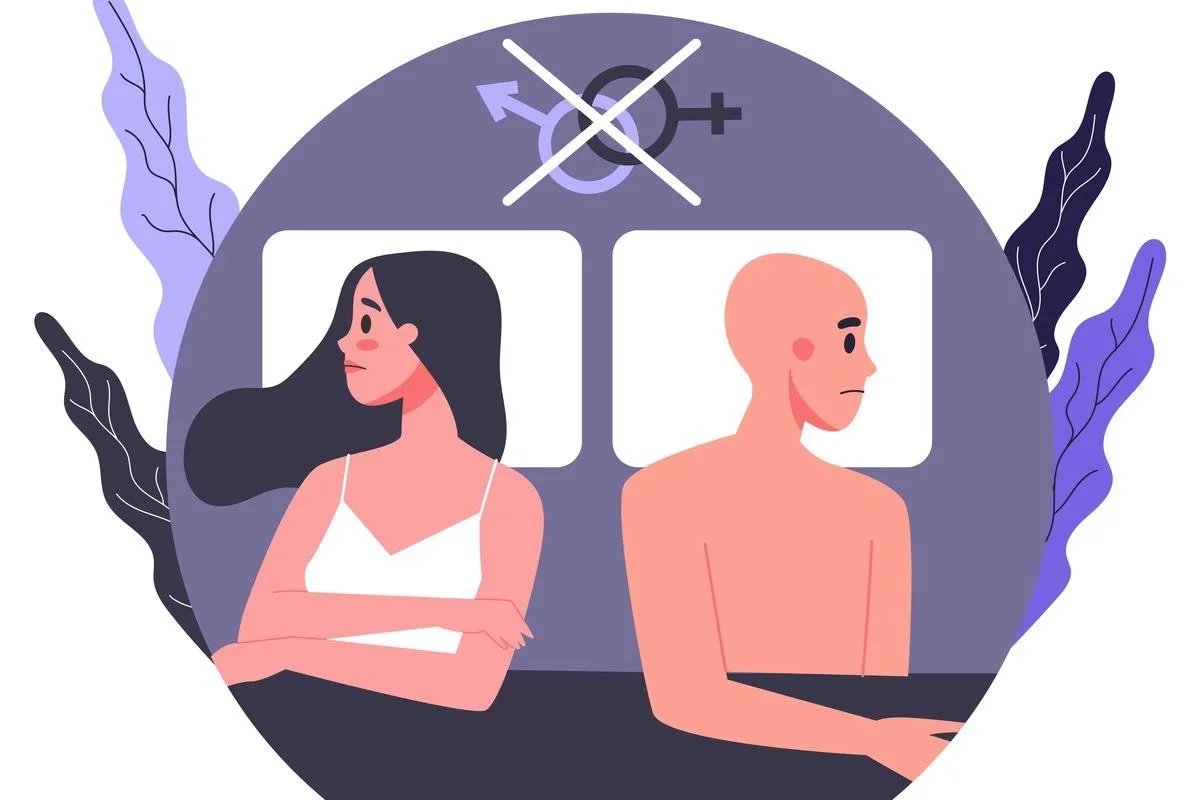
Image Source: News-Medical.net
Sometimes our bodies stops responding the way it used to. Our sexual response - the physical part of sex that should feel automatic - suddenly becomes this uphill battle.
Depression, anxiety, chronic stress? They don't just mess with your mood. They actually rewire your brain's sexual circuits.
The numbers are pretty shocking. Studies show psychological symptoms are directly linked to decreased arousal, orgasm difficulties, and overall sexual dysfunction. And here's the kicker - it works both ways. Sexual problems trigger more mental health struggles, creating this vicious cycle that feels impossible to escape.
Women who are dealing with high stress are 3.5 times more likely to experience sexual dysfunction. Men under psychological pressure show higher levels of erectile difficulties and performance anxiety.
But here's the really fascinating part.....
The same brain chemicals involved in depression and anxiety - dopamine, serotonin, epinephrine - are the exact same ones your body needs for a healthy sexual response.
No wonder everything falls apart when your mental health struggles.
Even the medications meant to help can sometimes backfire. Certain antidepressants cause sexual dysfunction in 37% to 65% of people taking them. Talk about adding insult to injury.
This leaves so many feeling even more lost and hopeless, leading to further disconnection and stress about sex.
When Your Heart Isn't In It

Let's talk about what happens when sex becomes emotionally complicated.
Even if you’re trying to be physically close to your partner, if you’re emotionally checked out, that becomes an uphill battle.
That's your emotional well-being talking.
Depression and distance don't just steal your energy. It steals your interest in things you used to love - including intimacy. Suddenly, sex feels like another obligation or box to check instead of something you actually want.
And anxiety? It makes it impossible to let go and be present. Your mind is racing, your body is tense, and vulnerability feels dangerous.
The very cruel irony is that when sex becomes a problem, it creates more shame, more frustration, and more feelings of being broken or inadequate. So couples start avoiding each other, both physically and emotionally.
Pretty soon, many couples find that they’re roommates instead of lovers.
For couples dealing with this cycle, the problems go deeper than just the bedroom. Poor communication and unresolved fights create walls that intimacy can't break through. But here's what I've seen again and again...
When couples tackle these emotional barriers together, their connection gets stronger than it was before.
If you're recognizing yourself in this pattern - the withdrawal, the shame, the emotional distance - therapy can help you break the cycle. We'll work together to rebuild the emotional safety that makes real intimacy possible.
Getting the Help That Actually Works
Here's what most people don't realize about coming to therapy for to help with sexual issues.
It's not what you think it is.
Sex therapy is specialized talk therapy that addresses both the mental and physical sides of sexual challenges. No physical contact between therapist and client ever happens. That's a hard no.
What we do instead? We get to the root of what's really going on.
Sexual dysfunction affects about 43% of women and 31% of men. But here's the thing - effective therapy can dramatically reduce how much these issues actually bother you and offers tangible tools and techniques to help make your sex life better.
I've seen couples who haven't been intimate in decades learn to reconnect. I've watched individuals overcome trauma that previously kept them stuck for years. I've helped people dealing with medication side effects find their way back to satisfying and passionate sex lives.
The work happens through conversation. Honest, sometimes difficult conversations about deeply personal topics.
For couples dealing with mismatched desire, we create a safe space to talk about what each person actually wants and needs. For those processing sexual trauma, we work at a pace that feels manageable and empowering.
Different approaches work for different people. Mindfulness helps reduce the mental chatter that kills arousal. Cognitive-behavioral therapy tackles those negative thought patterns that sabotage intimacy. Couples therapy strengthens communication about desires and boundaries. And sex therapy has very specific homework and exercises (done at home, of course) that can help reignite desire and passion.
The most important thing to remember?
Sexual wellness is absolutely achievable. Whether you're dealing with anxiety, depression, relationship issues, or medication effects- there's a path forward.
Ready to start? Book your free consultation today.
Together, we'll figure out exactly what's getting in your way and create a plan that actually works for your specific situation.
References
[1] - https://pmc.ncbi.nlm.nih.gov/articles/PMC11601183/
[2] - https://www.verywellmind.com/what-is-the-impact-of-casual-sex-on-mental-health-5179455
[3] - https://healthymale.org.au/health-article/how-do-stress-and-anxiety-affect-sexual-performance-and-erectile-dysfunction/
[4] - https://www.smsna.org/patients/blog/how-can-psychiatric-disorders-impact-a-persons-sexual-health
[5] - https://my.clevelandclinic.org/health/diseases/depression-and-sex
[6] - https://pmc.ncbi.nlm.nih.gov/articles/PMC4199300/
[7] - https://therapygroupdc.com/therapist-dc-blog/low-sex-drive-in-women-understanding-psychological-and-emotional-factors/
[8] - https://www.psychologytoday.com/us/blog/insight-therapy/201402/sexual-satisfaction-highly-valued-poorly-understood
[9] - https://www.promises.com/addiction-blog/how-7-common-mental-health-disorders-can-impact-your-sex-life/
[10] - https://diabetes.org/health-wellness/sexual-health/sexual-implications-emotional-health
[11] - https://www.psychologytoday.com/us/therapists?category=sex-therapy
[12] - https://my.clevelandclinic.org/health/articles/24524-sex-therapist
[13] - https://www.betterhelp.com/advice/therapy/sex-therapy-a-path-to-possible-deeper-connection-and-emotional-growth/
[14] - https://pmc.ncbi.nlm.nih.gov/articles/PMC10350486/
[15] - https://paloaltou.edu/resources/business-of-practice-blog/sexual-mental-health-treatment
[16] - https://elliementalhealth.com/problems-with-intimacy-and-sex-how-couples-therapy-can-help/
[17] - https://pmc.ncbi.nlm.nih.gov/articles/PMC5775119/