
Long-Distance Relationships: How Couples Build Intimacy When Miles Get in the Way

Dr. Nicole Irving, Ph.D., LPC, AASECT-Certified Sex Therapist | Restorative Solutions Therapy | www.restorativesolutionstherapy.com
Most long-distance relationship advice sounds the same: schedule your video calls, send care packages, count down the days. All of that matters—but it skips over something huge.
Physical intimacy.
When miles stretch between you and the person you love, the absence isn’t just emotional. It lives in your body. You miss their weight next to you, their hands, the way closeness feels effortless when you’re together. That ache can be intense—and most advice quietly pretends it doesn’t exist.
Here’s the truth many couples don’t hear: distance doesn’t have to mean the end of intimacy.
Yes, physical separation is hard. But it can also invite creativity, honesty, and vulnerability in ways that being together sometimes doesn’t. Many couples discover new layers of desire, communication, and emotional closeness precisely because they’re forced to connect differently.
This isn’t about pretending screens can replace touch. They can’t. It’s about finding meaningful ways to stay connected to your body and your desire while you’re apart—and sometimes even deepening your bond in the process.
If scheduled calls feel flat, or you’re craving closeness that goes beyond “How was your day?”, there are ways to bridge that gap.
When Technology Meets Intimacy: What App-Connected Devices Can (and Can't) Do
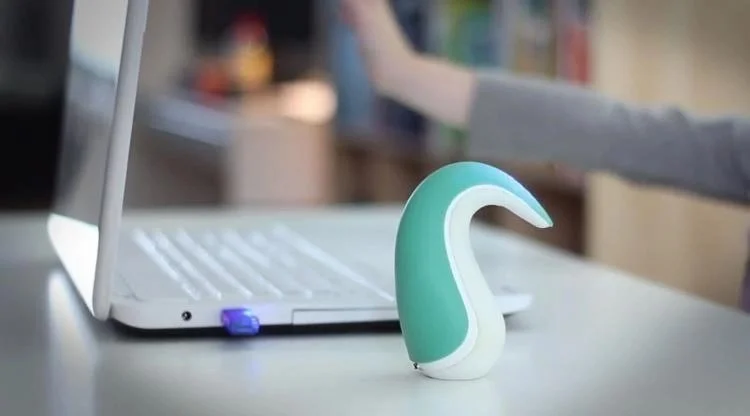
Image Source: Next Nature
Technology has quietly changed what’s possible for long-distance couples. App-connected intimacy devices now allow partners to share pleasure and connection in ways that didn’t exist even a decade ago.
They won’t replace being together—but when used intentionally, they can create genuine moments of shared experience.
Remote-Controlled Play
App-controlled vibrators, stimulators, and massagers allow your partner to control sensations from anywhere in the world. What makes these meaningful isn’t just the physical feeling—it’s the sense of presence.
A surprise adjustment during a video call. A teasing text before activation. That element of spontaneity helps counter the predictability distance often brings.
Shared-Sensation Devices
Some devices allow both partners to feel connected in real time, translating one person’s movements into sensations the other experiences. These tools often feel more interactive and mutual, closer to the rhythm of in-person intimacy.
Wearable Options
Wearable devices, such as discreet vibrators, offer extended connection throughout the day. The appeal isn’t just sensation—it’s the shared secret. Knowing your partner is “with you” while you go about your normal life can feel grounding, playful, and deeply connecting.
Internal Stimulation Devices
App-controlled insertable toys—vibrators, dildos, and plugs—allow partners to control rhythm and intensity from any distance. Many couples describe these as creating a stronger sense of being touched by their partner, rather than by a device alone.
Helpful considerations:
Use body-safe materials
Prioritize comfort with lubrication
Test technology ahead of time
What Makes These Tools Work
Technology itself doesn’t create intimacy—it’s how you use it together.
These tools work best when integrated with other forms of connection. Try pairing them with video calls so you can see each other’s reactions, or with voice and text messages that build anticipation throughout the day.
Most importantly, talk openly about boundaries and preferences before introducing anything new. Distance doesn’t change the need for clear communication about what feels good and what doesn’t.
Some couples love a high-tech approach. Others find it feels too disconnected from the physical closeness they crave. Both responses are completely valid.
Discussing Limits and Boundaries
Being sexual through digital mediums requires conversation, consent, and trust—even in long-term, committed relationships.
Before leaning into more intimate digital connection, it’s essential to talk openly about comfort levels, expectations, and limits. These conversations don’t dampen desire—they’re what allow desire to feel safe and sustainable.
Questions worth discussing include:
What kinds of messages or interactions feel exciting versus uncomfortable?
Are there specific topics, language, or behaviors that feel off-limits?
What times of day feel appropriate for more intimate exchanges?
How do you want to handle saving, deleting, or revisiting messages or images?
Pay attention to your partner’s energy and responsiveness. Authentic digital intimacy should feel mutual and responsive, not pressured or performative. The goal isn’t to impress—it’s to create a shared experience that strengthens connection despite the distance.
When approached thoughtfully, intimate texting and digital connection can open new dimensions of communication and desire that continue to benefit couples long after they’re physically reunited.
Phone Sex: When Your Voice Becomes the Bridge
Text messages can only carry you so far. There’s something about hearing your partner’s voice—their breathing, pauses, and subtle reactions—that creates intimacy in a way typing simply can’t.
If you’ve never tried phone sex, it may feel awkward or intimidating at first. That’s normal. Many people worry they won’t know what to say or will sound foolish. In reality, most couples find that once they begin, the conversation flows more naturally than expected.
Creating privacy, setting aside uninterrupted time, and approaching the moment with curiosity rather than performance makes all the difference.
Your voice becomes the bridge—communicating desire, vulnerability, and presence when touch isn’t possible.
Your Voice as Intimacy
The way you speak matters as much as what you say. Whispering creates instant intimacy. Speaking in your normal voice feels conversational and connected. Letting your voice show your arousal—breathing changes, small moans, the way your speech might become less controlled—gives your partner real-time feedback about your experience.
Specific details make all the difference. "I'm touching myself exactly the way you did when we were in that hotel" paints a much clearer picture than vague descriptions. Your partner isn't there to see what's happening—your words need to fill that gap.
Most importantly, authentic reactions will always feel better than trying to perform. If something feels good, let that show in your voice. If you feel nervous, you can even say that. Vulnerability often creates deeper connection than perfection.
What Actually Happens During Phone Sex
Phone sex can take many forms depending on what excites both of you. Some couples narrate fantasies they've been imagining. Others guide each other through using toys or touching themselves. Some watch the same content while describing their reactions to each other.
You might reminisce about your favorite intimate moments together, or describe in detail what you plan to do when you're reunited. The key is finding what feels natural for your relationship rather than following some script.
One thing that often surprises couples: phone sex doesn't have to be entirely explicit. Sometimes the most arousing conversations mix intimate details with genuine connection—laughing together, expressing how much you miss each other, or sharing something vulnerable.
When you're ready to end the call, acknowledge what you just shared. This isn't the time to immediately jump back into logistics about your day. Even a simple "I love being close to you like this" or "Thank you for that" helps create emotional completion.
Phone sex offers something unique in long-distance relationships: it requires nothing but your voices and your imagination. When technology fails or toys aren't available, your physical comfort and willingness to be vulnerable with each other can create profound intimacy across any distance.
Setting Yourself Up for Success
Your environment shapes your experience more than you might realize. You need genuine privacy—not just a closed door, but actual confidence that you won't be interrupted or overheard. This isn't the time for thin walls or roommates who might walk in.
Create space that feels comfortable for you:
• Find a time when you both have at least 30 uninterrupted minutes
• Use headphones if privacy is a concern
• Dim the lights if that helps you relax
• Pour a glass of wine if that eases any nervousness
Think of this as preparing for an intimate evening together. Because that's exactly what it is.
If You’re Having Trouble Getting Started First Find Your Starting Point
Start with what you’re actually thinking:
“I keep thinking about the way you touched me before you left.”
“I miss your hands.”
“I wish you were here right now.”
Simple honesty often lands more powerfully than elaborate fantasy.
You might:
Reference a shared memory
Ask what they’re wearing
Describe what you miss most
Hint at what you’re planning for next time
Building Anticipation Over Time
The most compelling intimate messages unfold gradually. Think of it as emotional foreplay that can last hours or even days.
Instead of stating everything at once, try planting a seed: "I had the most interesting dream about you last night..." Then let them wonder. Let them ask. The curiosity creates connection.
When you do share details, make them specific to your relationship. Inside jokes, pet names, or references to your shared history make generic desire feel deeply personal.
Gentle reflection: What moments from your relationship still make your pulse quicken?
Seeing Each Other Changes Everything
Video calls occupy a unique space between the intimacy of being together and the distance of phone conversations. When you can see your partner's face, their expressions, the way they move—something shifts. The connection becomes more immediate, more real.
When Images Enter the Conversation
Visual elements can enhance written intimacy, but they require careful consideration.
Before sharing photos or videos:
• Have an explicit conversation about comfort levels
• Choose secure messaging apps with disappearing messages
• Consider what's visible in backgrounds
• Think about timing—ensure your partner is in a private space
Remember: You can be incredibly intimate without ever showing your face or identifying features. Sometimes the most alluring images leave something to imagination.
Creating Moments Worth Anticipating
The difference between a casual video call and an intentional video date often comes down to preparation. When both of you set aside uninterrupted time, the conversation naturally deepens. You're not multitasking or half-present—you're choosing to be together in the way that distance allows.
Some couples find that planning activities helps create shared experiences:
Cooking the same meal while talking
Watching a movie together with synchronized timing
Taking a bath or shower (with waterproof protection for devices)
Playing games or sharing something you're both doing
The goal isn't elaborate planning. It's creating moments that feel intentional rather than routine.
When Vulnerability Meets Technology
Mutual masturbation through video adds a visual dimension that transforms the experience entirely. You're not just hearing your partner—you're seeing their pleasure, their responses, their face as they experience sensation.
This level of vulnerability can feel intimidating at first. Being seen during such an intimate moment requires a different kind of trust than phone conversations or written messages. Some people find it helpful to start slowly—maybe just maintaining eye contact during part of the experience.
What makes video intimacy powerful isn't perfect performance. It's authentic response. The genuine sounds, expressions, and reactions create connection that scripted interactions never could.
Shared Visual Experiences
Watching intimate content together creates another form of connection. You get to see what catches your partner's attention, how they respond to different scenarios, what makes them curious or excited.
Some couples use screen-sharing features on video platforms. Others prefer separate devices so they can watch each other's reactions. Either approach offers insight into your partner's desires that you might not discover through conversation alone.
Adding Physical Sensation to Visual Connection
If you're using app-controlled toys, video calls create opportunities to see the effect of your control in real time. You can watch your partner's response as you adjust intensity, creating a feedback loop that brings you closer to shared physical experience.
Gentle reflection: What feels more vulnerable—being heard or being seen during intimate moments?
Privacy remains essential for video intimacy. Use encrypted platforms when possible. Make sure you're both in truly private spaces where interruptions won't happen. Never record intimate video sessions without explicit, enthusiastic consent.
Video connection doesn't perfectly replicate being physically together—it creates something different but meaningful. The combination of visual contact, emotional presence, and shared vulnerability builds intimacy uniquely suited to your circumstances.
When Digital Connection Isn't Enough
Sometimes the most intimate gestures arrive in your mailbox, not your inbox. There's something about holding a physical letter or gift from your partner that technology simply can't replicate—the weight of paper between your fingers, the faint scent of their cologne, the knowledge that their hands touched this same object days ago.
Letters That Carry More Than Words
Handwritten letters require something that instant messages don't: time, intention, and vulnerability. When you sit down to write with pen and paper, you're committing to a different kind of conversation. There's no deleting and retyping, no autocorrect to save you from awkward phrasing.
This rawness is exactly what makes letters powerful for long-distance intimacy.
When you're writing something erotic or deeply personal, let yourself be specific about memories, sensations, and desires. Don't worry about sounding like a romance novel—authenticity resonates more than perfect prose. Write as though you're speaking directly to them, because in a way, you are.
The physical act of writing also creates space for thoughts and feelings that might not emerge during a rushed video call. You might find yourself expressing desires or vulnerabilities that surprise you.
Tangible Reminders of Your Bond
Physical gifts create anchors to your relationship that exist in the real world. Unlike digital messages that live on screens, these items occupy actual space—they can be touched, held, smelled.
Consider sending something you've worn, like a t-shirt that carries your scent. Small intimate items that can enhance your video calls. Photos you've printed and written on. Something handmade that represents an inside joke or shared memory.
The surprise element matters too. Scheduled video dates have their place, but there's something magical about unexpectedly finding a package from your partner waiting for you. That moment of discovery creates excitement that mirrors the spontaneity missing from most long-distance interactions.
The Power of Scent and Touch
Scent triggers memory and emotion more directly than almost any other sense. Spraying your perfume or cologne on a letter or piece of clothing can transport your partner back to being in your arms. It's a small detail that creates a surprisingly powerful connection across distance.
These tangible gestures work best when they complement, rather than replace, your digital intimacy. When video calls feel routine or text conversations feel hollow, a handwritten letter or surprise package can reignite the sense of closeness you're both craving.
Take time to reflect: What aspects of physical connection do you miss most? Sometimes identifying these specific longings can guide you toward the kinds of letters or gifts that will feel most meaningful.
Finding Your Way Forward
Long-distance relationships ask something difficult of us: to love fully while living separately. There's no getting around the fact that physical separation creates real challenges for intimacy. But couples who work through these challenges often discover something unexpected.
The techniques we've explored—from app-controlled devices to handwritten letters—aren't about finding perfect substitutes for being together. They're about staying connected to each other and to your own desires while circumstances keep you apart. Some approaches will resonate with you more than others, and that's exactly as it should be.
What matters most isn't which specific methods you choose. It's your willingness to acknowledge that intimate connection requires attention and creativity, especially when distance is involved. The couples who maintain strong physical bonds across miles are usually the ones who talk openly about what they need and what feels sustainable.
Many people find that working through long-distance challenges creates communication skills that serve them long after they're in the same location again. The conversations you have now about boundaries, desires, and creative connection often become the foundation for deeper intimacy later.
This isn't about making distance easy—it's rarely that. It's about honoring both your love for each other and your need for physical connection. The efforts you make to bridge the gap, whether through technology or old-fashioned letters, matter not because they perfectly replace being together, but because they express your commitment to staying emotionally and physically present for each other.
Distance is temporary, but the skills you develop for staying connected can last much longer.